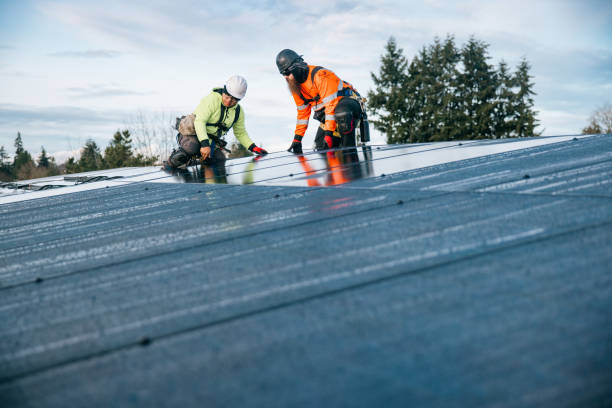
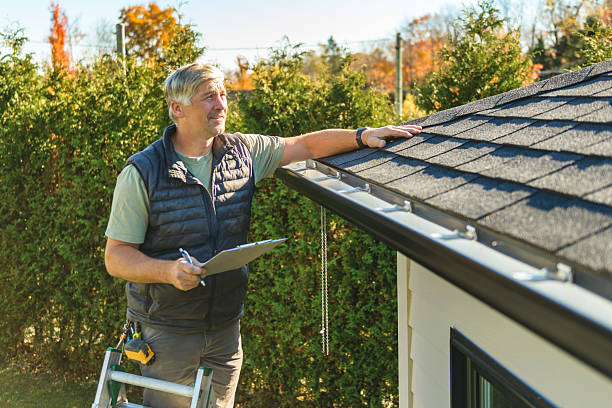
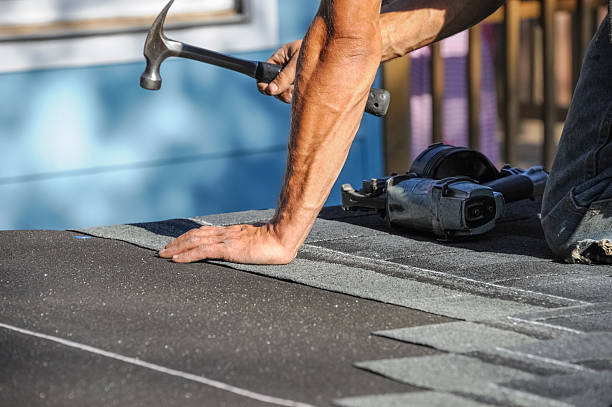
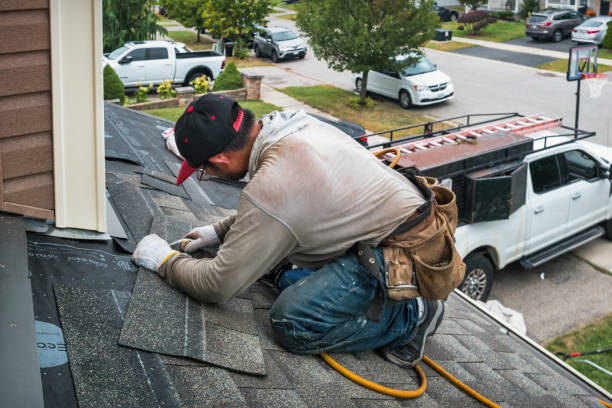
Missing shingles after last night's wind, a soft spot over the garage, or a full commercial system that's past its service life, Roof Repair crews in Rhode Island, RI handle it under one roof, so to speak. No answering service, no callback queue, just a dispatcher who can actually get a crew moving.
Browse Our Roof Repair Services
GD Commercial Roofing started with two crew leads who got tired of watching sales-first outfits quote jobs they'd never personally climb a ladder to check. Every estimator here still walks the roof before pricing it.
Field crews carry current state licensing and workers' comp coverage, and we keep proof of both on hand, no need to ask twice.
A 2 a.m. call about water coming through a ceiling gets treated with the same urgency as any daytime emergency. Roofs don't check a clock before they fail.
Material selection comes down to what performs in Rhode Island, RI's weather over a decade, not what shaves the most cost off a bid.
Rather than special-ordering every job from scratch, we stock the shingle lines and colors that move fastest in Rhode Island, RI, which trims days off the typical project timeline.

A roof rarely fails without warning. These are the signs our crews spot most often on service calls across Rhode Island, RI, usually months before an interior leak shows up. None of these checks require climbing onto the roof itself, just a careful look from the ground, the attic, or the gutter line.
A little granule loss is normal wear; a gutter full of dark grit after a rain usually means the protective coating has thinned enough to let UV rays start breaking down the mat underneath. A quick gutter check after any hard rain costs nothing and catches this early.
Turn off the attic light on a sunny day. Any pinpoint daylight through the decking means there's a path for water too, whether or not a stain has appeared yet. It takes five minutes and requires no special tools, just a flashlight and a moment of patience.
Edges lifting or the shingle body cupping both point to asphalt that's dried out and lost its seal, which gives wind an easy edge to grab. Binoculars from the ground are usually enough to spot this without climbing anything.
A soft or bouncy feel near a chimney or valley is a strong sign water has been sitting under the shingles longer than you'd think. This one's better left to a trained inspector rather than testing it yourself.
Step flashing pulling away from a chimney or sidewall is one of the most common leak points we find, and it's almost never visible from ground level. Binoculars help here too, focused on where the roofline meets any vertical wall or chimney.
Poor attic ventilation tied to roof age can push summer attic temperatures up 20 to 40 degrees, which shows up on the power bill before it shows up as a leak. Comparing this July's bill against last July's is a rough but useful gut check.
None of the work below gets farmed out. The crew that inspects your roof is generally the crew that does the work. If a job falls outside these categories, ask anyway, there's a good chance we've handled something similar before.

Active leaks get stopped first with an emergency tarp or membrane, then scheduled for permanent repair once materials are staged and the damage is fully assessed. A quick check-in after the initial tarp job makes sure everything's holding before we lock in a date for the permanent repair.

We replace any rotted decking found during tear-off, upgrade drip edge and flashing, and balance attic ventilation before the new roof ever goes down. Shingle color and style get picked before the old roof comes off, so materials are staged and there's no midday delay waiting on a decision.

TPO, EPDM, and modified bitumen installs on flat commercial roofs get phased around business hours so the building stays weathertight overnight. Coating and recover options are also available for buildings that aren't ready for a full tear-off yet.
Post-hail inspections come with adjuster-ready photo documentation of impact marks, bruised mats, and creased flashing before any repair work starts. If an initial claim scope looks short, we'll provide a supplemental report with added photo evidence to support a fair settlement.
Twice-yearly inspections catch loose flashing, clogged valleys, and early granule loss before they turn into an interior leak, with a written report and photos after every visit. Being on a plan means faster scheduling if a storm hits and the rest of the local roofing crews are slammed with calls.
Standing-seam metal, architectural shingles, and specialty tile all require different fastening patterns, and our crews carry manufacturer certification for each system installed. We'll source a close color and profile match for partial tile or slate repairs rather than leaving an obvious mismatched section.
A live dispatcher, not a script, takes down the details of the damage or project in Rhode Island, RI and books the fastest inspection slot available. There's no automated phone tree to get through first.
We measure the deck, flashing, and ventilation, not just the visible shingle layer, so the quote reflects the real scope of the job. Most inspections take under an hour.
If rotted decking does show up once the old roof is off, we stop, show you the damage in photos, and get your sign-off before adding anything to the bill. You can take as long as you need to review it before scheduling.
We register the manufacturer warranty on your behalf and send a copy for your records along with our own workmanship guarantee. Payment isn't due until you've had a chance to see the finished work.
Crews that chase storms into town tend to sell as many jobs as possible in a week and disappear before the first warranty call comes in. We're not going anywhere, and that changes how we price and build. Most of what separates us shows up months later, not on the day the crew leaves.
The number you approve up front is the number on the final invoice, tear-off and disposal included. Financing options exist if a full reroof doesn't fit into this month's budget.
Local staging means a crew is rarely more than a short drive from any job we quote in Rhode Island, RI. That same local presence means a real person can meet you on-site after the job wraps if a question comes up.
Every technician carries current state licensing plus general liability and workers' comp coverage, on hand and available on request. Documentation gets shown before a contract is signed, not after a question comes up.
We'll say plainly when a targeted repair solves the problem instead of pushing a full reroof that isn't needed yet. That honesty is most of why past customers call us back for the next project.
Beyond the standard manufacturer material warranty, we back our own labor with a workmanship guarantee, which covers a different kind of failure than a material defect would.
Warranty terms get explained in plain language during the estimate, not buried in a document nobody reads, and covered repairs get honored without an argument over technicalities.
Term length varies by material, standing-seam metal runs far longer than a standard shingle warranty, and your estimator will lay out exactly what applies to your job.
Proper warranty registration at project close means the material coverage is actually usable later, not lost in paperwork that never got filed.

Statewide coverage across Rhode Island, RI means crews can shift between cities during a major storm event, instead of one town waiting weeks for an overloaded local contractor.
Wind-load requirements and building codes shift from one part of Rhode Island, RI to another, and estimators price according to the specific city's rules, not a flat statewide average.
Whether a property sits in a coastal wind zone or an inland hail corridor within Rhode Island, RI, the crew assigned already knows what that area's weather tends to do to a roof.
New project requests anywhere in Rhode Island, RI typically get a callback within the hour during business hours, with after-hours emergency routing handled by whichever regional crew is closest.

"Half our roof came apart in a windstorm around midnight and someone actually picked up the phone. Tarp was up before the rain really started coming down."
Tomás V."Got quotes from three companies and this was the only crew that walked me through why my attic ventilation mattered, not just the shingle brand."
Grace N."Our warehouse reroof got scheduled around shipping hours and the building never leaked overnight, even with the roof half torn off during the day."
Owen P."The adjuster actually said the damage photos made the claim easier to process. Whole thing moved faster than I expected going in."
Renee C."Maintenance visit found a flashing gap near the chimney before it ever turned into a stain on the ceiling. Worth every penny of the plan."
Harold B."Standing-seam metal roof took an extra day for trim work but the finish around the eaves looks custom, not standard issue."
Simone A."Called about a soft spot near the chimney and the inspector found the actual cause was a flashing gap, not a shingle problem, saved me from an unnecessary full reroof quote from another company."
Dale W."Storm damage claim got approved on the first submission thanks to how thorough the inspection photos were. No back and forth with the adjuster at all."
Marisol Q."Emergency tarp call came in around 3am during a bad storm and the crew was genuinely on-site within two hours. Didn't expect that kind of response that late."
Curtis L.Straightforward answers before you ever commit to anything.
Call +1-844-212-9199